

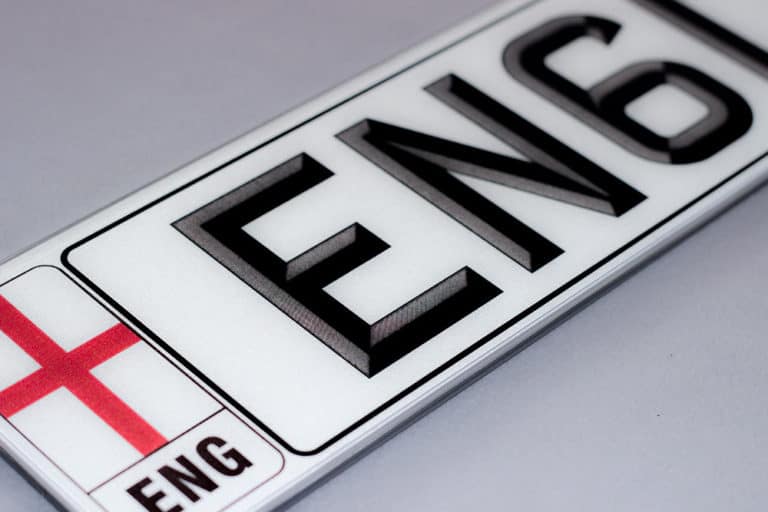
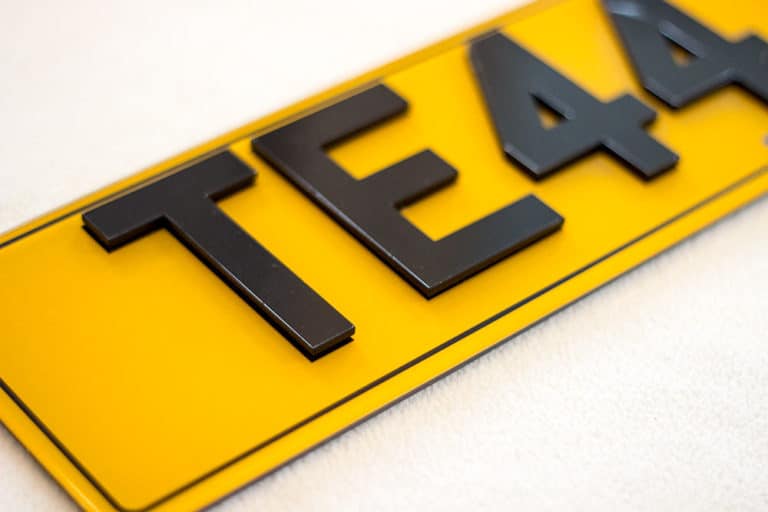



Letters and numbers in a model name, code, or reference label identify specific features such as size, series, version, capacity, or production details. Their meaning changes by product type and manufacturer, but the structure usually follows a set pattern rather than random naming.
This article explains how to read each part of the code, what common letters and numbers often indicate, and where brand-specific naming systems differ. It also shows how to avoid common reading errors when comparing similar models or part numbers.
Key takeaways
- Each VIN character has a fixed role, from manufacturer code to model year and plant.
- The first three VIN characters identify the vehicle’s world manufacturer identifier, or WMI.
- Characters four through eight describe core vehicle details such as body type, engine, and series.
- The ninth VIN character is a check digit used to validate the number’s accuracy.
- The tenth character shows the model year, using a standard letter and number sequence.
- The eleventh character identifies the assembly plant where the vehicle was built.
- The final six VIN characters form the serial number unique to that specific vehicle.
How Letters and Numbers Work Together in Product and Model Names
Read the full sequence, not just the first character. Makers use letters and numbers to show size, series, generation, engine type or trim in one short name. The full code separates a basic version from a newer, larger or better-equipped model.
Letters often mark a product family, body style or technical class. Numbers usually show position in the range, though they can also reflect engine size or output. A higher number often means a model sits above another in the same line-up, but not always a larger engine.
Order changes the meaning. A letter before a number may show the series, while one after it can mark a sport, luxury or long-wheelbase version. Makers do not use one universal system, so check the naming guide or confirm details through a UK legal number plate supplier when matching a registration to a vehicle.
Small code changes can signal major differences in parts, insurance group, emissions data and resale value. One missing letter or swapped digit can turn a correct match into the wrong model.
What Prefixes, Suffixes and Series Codes Usually Indicate
Reading prefixes, suffixes and series codes correctly cuts misidentification and poor comparisons, especially when two products share the same core model number. Treat these extra characters as modifiers of the base model, then check the maker’s naming guide or product page before assuming they match across brands.
Prefixes often signal range position, market segment or technical platform. Suffixes usually add detail about trim, fuel type, drive system, storage, screen finish or regional variation. In electronics, a suffix may mark colour, connectivity or sales region. In cars, it may point to drivetrain, body style or performance trim. On appliances and industrial parts, it can indicate voltage, mounting type or compliance standard.
Series codes usually matter most when comparing products within one brand. A series often groups models that share a chassis, feature set or release cycle, even when the final characters differ. That makes series codes useful for broad comparison, while prefixes and suffixes confirm the exact version.
Use the specification sheet and official support pages when a manufacturer names products inconsistently or changes its system over time. Some brands recycle familiar letters for marketing, while region-specific suffixes may affect packaging, warranty or bundled accessories rather than performance. Official pages from brands such as Samsung, Sony or BMW are more reliable than the code alone.
How Size, Capacity and Performance Numbers Are Commonly Used
The most common mistake is treating these numbers as exact measurements when brands often use them as range markers, rounded figures or marketing shorthand. Read them as signals, then check the specification sheet before comparing products.
Manufacturers assign size, capacity and performance numbers to place a model within a line-up. In cars, a badge may suggest engine class or output band rather than exact displacement. In appliances, capacity figures often refer to internal volume under test conditions, not usable daily space.
The technical detail sits in the test method and naming convention. Power may appear in brake horsepower, kilowatts or PS, and those units do not match exactly. Storage may be listed in decimal gigabytes, while operating systems report binary gibibytes. Tyre, battery and screen labels also mix nominal and measured figures.
Numbers help narrow the category, but they do not replace the full specification. Check the maker’s product page and any relevant standards body, such as ISO or IEC, when accuracy affects buying, compatibility or performance expectations.
Why the Same Letter or Number Can Mean Different Things Across Brands
The same letter or number can mean different things from one brand to another. Read each code within that brand’s own naming system, then confirm it on the official product page before comparing models.
Use the manufacturer’s catalogue, support page or specification sheet first. Apple, Samsung, BMW and Canon all use letters and numbers differently, even when the code looks familiar. An “S” may signal a premium trim, sport variant, standard line or screen size.
Check three points: the product category, the brand’s current naming guide and the exact model year or generation. This avoids false assumptions about power, size or range position, and helps when brands reuse older codes for new markets or revised versions.
A common mistake is treating naming patterns as universal rules. Another is comparing products by badge alone without checking the full specification, regional version and release date. If the code is unclear, use the manufacturer’s support database or retailer SKU details to confirm the exact model.
How to Decode a Label Accurately Before You Compare or Buy
Accurate decoding stops false comparisons, missed specifications and buying the wrong variant. Read the full label in order, then verify each part against the maker’s own product page, manual or catalogue before you compare price or features.
Start with the base model code, because that usually identifies the core product. Then check every added letter, number, hyphen or suffix for changes in generation, region, trim, compatibility or included features. A single extra character can mark a newer revision, a limited market version or a different fitment standard.
Cross-check the label with the exact listing details, not the product family name alone. Retailers often shorten names in search results, and that can hide important differences. If you are building a registration-style format, a Number Creator Maker helps you review spacing and character order before placing an order.
Finish by matching the decoded label to the specification sheet, warranty terms and return policy. That step confirms whether two similar-looking items are genuinely equivalent or only share part of the same code.
Frequently Asked Questions
What does each letter and number in the title refer to?
Each letter and number points to a specific part of the name, such as a series, model, version, size, year, or technical spec. Letters often mark the product line or variant. Numbers usually show the generation, capacity, dimensions, or performance level.
How do the letters and numbers change the meaning of the full term?
The letters identify the category, type, or series. The numbers narrow that down by showing size, version, sequence, rating, or year.
Together, they turn a broad label into a precise term. A small change in either part can point to a different model, standard, or meaning.
Why are both letters and numbers used instead of words alone?
Use letters and numbers together to identify things quickly and precisely. Letters often show a category, series, or type, while numbers mark the exact version, size, or position. This format stays shorter than full words and reduces confusion when labels need to fit on products, documents, or technical systems.
Are the letters and numbers used the same way across all contexts?
No. Meaning depends on the system, industry, or standard using them. The same letter or number can mark size, grade, version, sequence, or category, so context decides the correct reading.
How can you tell which part of the term is most important from its letters and numbers?
In most technical terms, the first 1-3 letters name the main category, while the numbers and later letters narrow the exact type, size, or version. Read left to right. The earliest part usually tells you what it is, and the remaining characters tell you which specific form you are looking at.
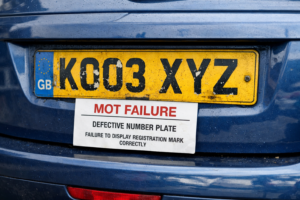
Can a number plate fail an MOT?
Yes, a number plate can fail an MOT if it is damaged, obscured, incorrectly spaced, the wrong colour, or does not meet legal display rules.
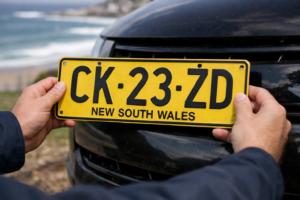
How to read a UK number plate ?
Letters and numbers in a model name, code, or reference label identify specific features such as size, series, version, capacity, or production details. Their meaning

UK number plate laws, what is and is not road legal in 2026
UK number plate laws in 2026 set strict rules on plate format, font, spacing, size, materials and visibility for any vehicle used on public roads.

Driving Tips For Different Weather Conditions
Specifically, these driving tips are for driving in poor weather. It is essential to know how to drive in all types of weather conditions –