
Car wrapping is the process of applying a vinyl film to a vehicle’s exterior to change its colour, finish, or branding without repainting it. Costs vary by vehicle size, wrap material, design complexity, and whether the wrap is full or partial. This guide explains typical price ranges, common wrap styles, and the main advantages, including paint protection, easier customisation, and potential resale benefits.
Key takeaways
- Have the paint inspected first; vinyl adheres best to smooth, stable factory finishes.
- Peeling lacquer, fresh resprays, rust bubbles and chip repairs can shorten wrap life.
- Full wraps cost more, while partial wraps suit branding, roof contrasts and accent panels.
- Vehicle size and finish affect price; satin, matte and colour-shift films need more labour.
- Match the finish to the bodywork; matte shows fingerprints, while gloss looks closest to paint.
- Wash wraps with pH-neutral shampoo, microfibre cloths and low-pressure rinsing to preserve edges.
- Wraps protect paint and support resale flexibility; replacing faded plates can complete the refreshed look.
How Car Wrapping Works and When It Makes Sense
Ask the installer to inspect the paint before booking a wrap, because vinyl bonds best to smooth, stable factory finishes. Peeling lacquer, fresh resprays, rust bubbles and stone-chip repairs can all weaken adhesion and shorten the wrap’s life.
The process starts with a deep clean, panel preparation and removal of parts such as badges, trims or mirrors where needed. Installers then heat, stretch and squeegee the film across each panel, using pressure-sensitive adhesive to fix it in place. Complex curves, deep recesses and sharp edges take more time and skill, which is why labour often drives the final price.
How a Car Wrap Is Applied
1
Inspect the paint
Check for peeling lacquer, fresh resprays, rust bubbles and stone-chip repairs, because vinyl bonds best to smooth, stable factory paint.
2
Clean and prepare panels
The vehicle is deep cleaned and prepared before fitting starts.
3
Remove trims where needed
Badges, trims or mirrors may be removed to help achieve a cleaner fit.
4
Apply and shape the film
Installers heat, stretch and squeegee the vinyl across each panel using pressure-sensitive adhesive.
5
Finish complex areas carefully
Curves, recesses and sharp edges need more time and skill, which is why labour often drives the final price.
Wrapping makes the most sense when the original paint is in good condition and the owner wants a colour change without a permanent respray. It also suits leased, financed or prestige vehicles, since the film can help shield paint from UV exposure, light scratches and road debris. If the bodywork already needs major repair, paint correction or rust treatment, fixing those issues first usually delivers a better result than covering them.
Car Wrapping Costs by Vehicle Size, Coverage, and Finish
Full wraps cost the most, but deliver the most consistent finish and strongest visual impact. Price depends on vehicle size, coverage and vinyl finish. A small hatchback in gloss costs less than a long-wheelbase SUV in satin, matte or colour-shift film, since larger panels need more material and fitting time.
For most owners, a partial wrap gives the best balance of cost and effect for branding, roof contrast or accent panels. It uses less film, needs fewer labour hours and still changes the car’s look in the most visible areas. Full wraps suit colour changes or business vehicles that need uniform coverage.
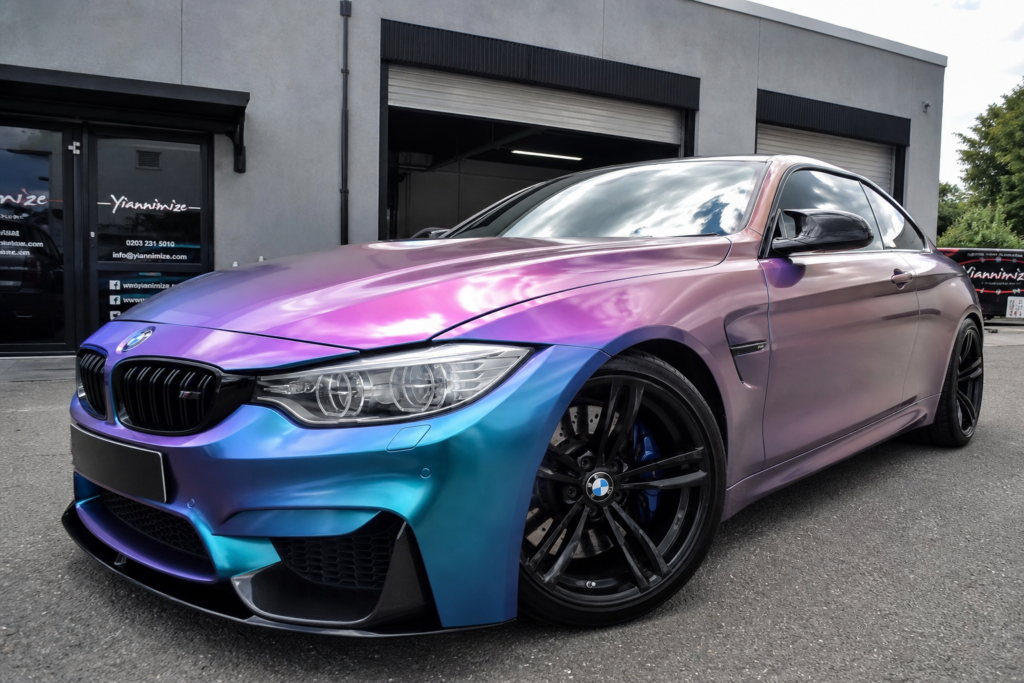
Speciality finishes sit at the top end of the range. Chrome, textured and colour-flip films cost more, show flaws more easily and often take longer to install cleanly. Installers often use films from 3M and Avery Dennison.
Wrap Styles, Colours, and Surface Finishes to Consider
Not every finish suits every body shape, panel condition or design goal, and poor choices can make seams, edges and surface defects stand out. Match the film to the vehicle: gloss gives a paint-like look, satin softens reflections, and matte cuts glare but shows fingerprints and patchy cleaning more easily.
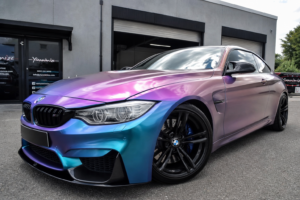
Colour choice affects more than appearance. Solid colours are easiest to align across panels, while metallic, pearlescent and colour-shift films need tighter fitting control so flake or tone stays consistent. Textured films such as carbon fibre or brushed metal also need careful grain direction, or the finish can look uneven.
Cast vinyl from brands such as 3M, Avery Dennison and ORAFOL conforms better around recesses, curves and bumpers than cheaper calendared film. It gives a cleaner fit, more stable colour, and a finish that lasts longer under washing and weather exposure.
Durability, Maintenance, and Common Problems With Car Wraps
Quality car wraps can last for years, but poor washing and neglected edges shorten that life fast. Clean the vehicle with pH-neutral shampoo, soft microfibre cloths and low-pressure rinsing. Park under cover when possible, remove bird droppings and tree sap quickly, and avoid automatic car washes with stiff brushes.
Ask the installer for the film brand and care sheet before collection. Makers such as 3M and Avery Dennison publish aftercare guidance for vinyl films. Hand washing works best, and any polish or detail spray should be safe for wrapped surfaces.
Heat, sun, road salt and fuel spills cause most long-term damage. Edges near wheel arches, door shuts and bumpers often fail first because they take the most strain. Small lifts can sometimes be reheated and reset, but trapped dirt, deep scratches and torn vinyl usually mean panel replacement.
Avoid abrasive compounds, close-range pressure washing on edges, and stains baking into matte or satin film. Check the wrap every few weeks for lifting corners, shrinking around recesses and colour fade. Early repairs cost less and help keep the wrap neat.
Key Advantages of Car Wrapping and Number Plate Replacement Options
When Car Wrapping Makes Sense
Advantages
- Allows a colour change without a permanent respray
- Can help shield paint from UV exposure, light scratches and road debris
- Well suited to leased, financed or prestige vehicles
- Partial wraps can deliver visible change with less material and labour
Limitations
- Peeling lacquer, rust and unstable paint can weaken adhesion
- Complex curves, recesses and sharp edges increase labour and cost
- Chrome, textured and colour-flip films cost more and show flaws more easily
- Poor washing and neglected edges can shorten the wrap’s life
Resale flexibility improves, paint stays protected, and branding can change quickly when a wrap is planned well. Unlike a respray, vinyl is removable, so the vehicle can return closer to its original finish before sale or lease return, if the paint was sound at installation.
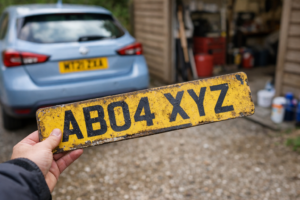
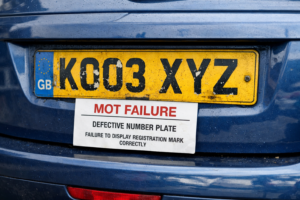
That flexibility can extend beyond the bodywork. A new wrap can make faded or mismatched plates look out of place, so owners often review Replacement Number Plates Cost? at the same time. If legal replacement plates are needed after styling changes or wear, a Number plate Maker helps match the registration to the refreshed look while keeping the format road legal.
For business use, wraps turn parked and moving vehicles into local advertising without the permanence of paint. For private owners, the main gain is choice: colour, finish and graphics can change without a permanent cosmetic alteration. That makes wrapping useful for leased vehicles, short-term branding, and owners who want visual impact without limiting future exit options.
Frequently Asked Questions
How much does it cost to wrap a car in the UK?
Most full car wraps in the UK cost £1,500 to £3,500. Small cars with simple panels sit at the lower end, while larger vehicles, colour-change films, chrome finishes, and printed designs cost more. A partial wrap often starts from a few hundred pounds, depending on coverage and prep work.
How long does a car wrap usually last?
Durability depends more on material quality, fitting, and exposure than on the wrap itself. Most car wraps last about 5 to 7 years. Strong sun, frequent washing, and outdoor storage can shorten that lifespan, while careful maintenance and garage parking can help it last longer.
Can a car wrap damage the original paintwork?
Use a reputable installer and remove the wrap correctly. On factory paint in good condition, a quality wrap does not usually cause damage and can help shield the surface from UV exposure and light scratches. Problems are more likely on weak, chipped, repainted, or poorly repaired paint.
What are the most popular car wrap finishes and styles?
Choice depends on the look you want and how much upkeep you accept. Gloss remains the most popular for a paint-like finish, while matte and satin give a flatter, more modern look.
Metallic, chrome and pearlescent wraps add more visual impact. Common style choices also include colour flips, carbon-fibre textures, racing stripes and partial wraps.
Is a car wrap cheaper than a full respray?
Full wraps often cost around £1,500 to £3,500, while a quality full respray can run from roughly £2,000 to £6,000 or more. For most standard vehicles, wrapping is usually the cheaper choice. Price still depends on vehicle size, finish, paint condition, and whether you want door shuts and trims covered.